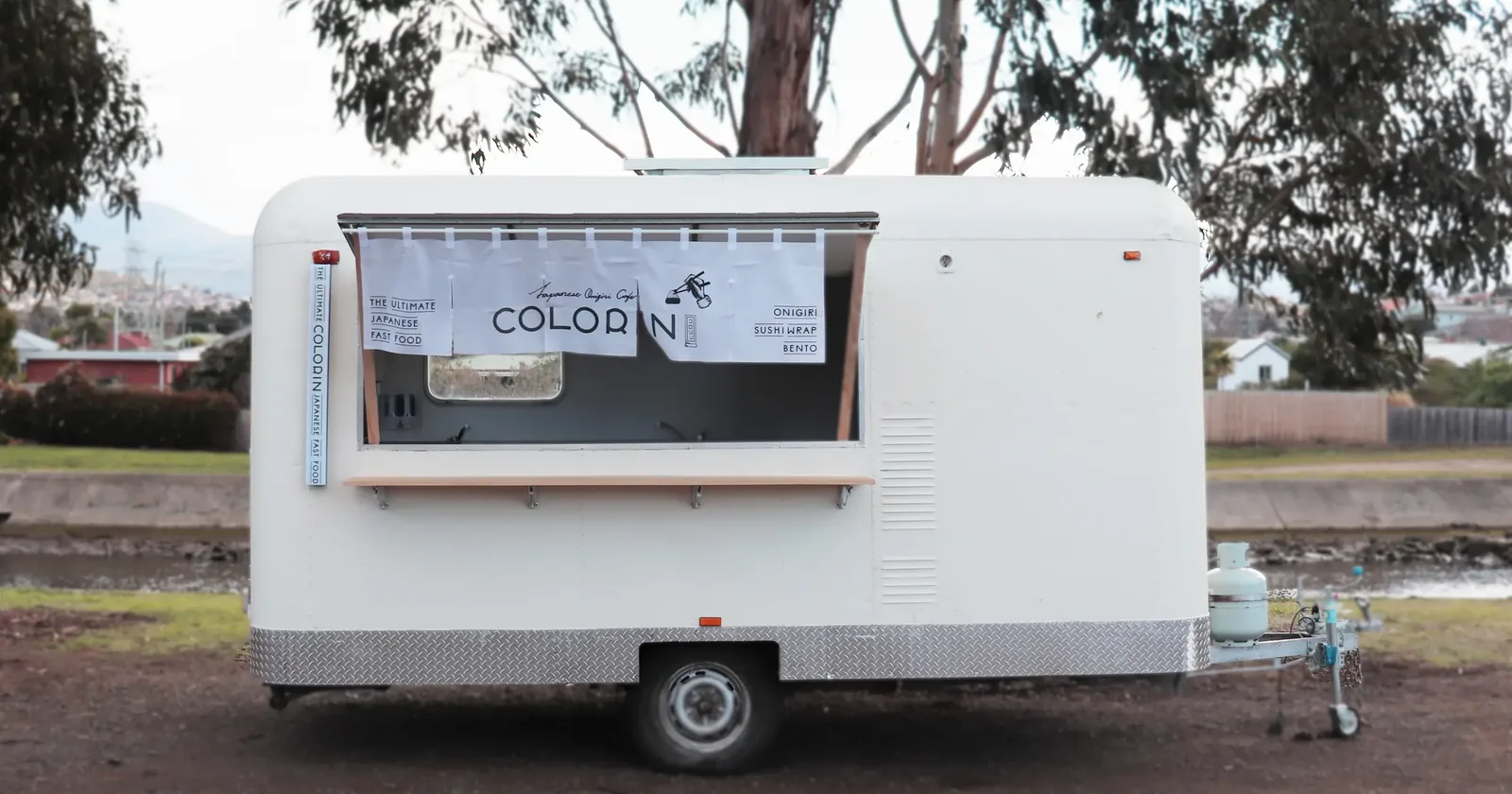
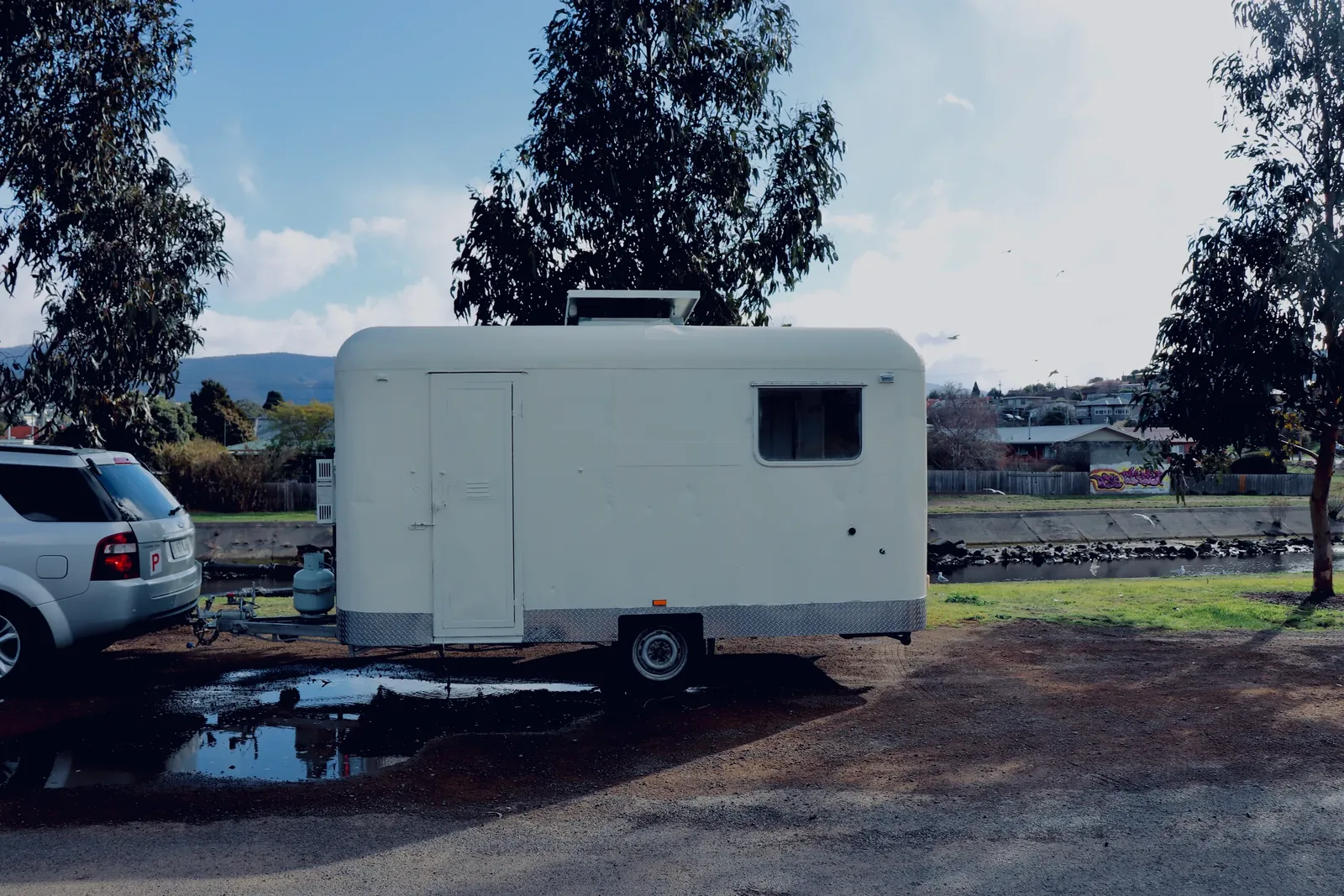
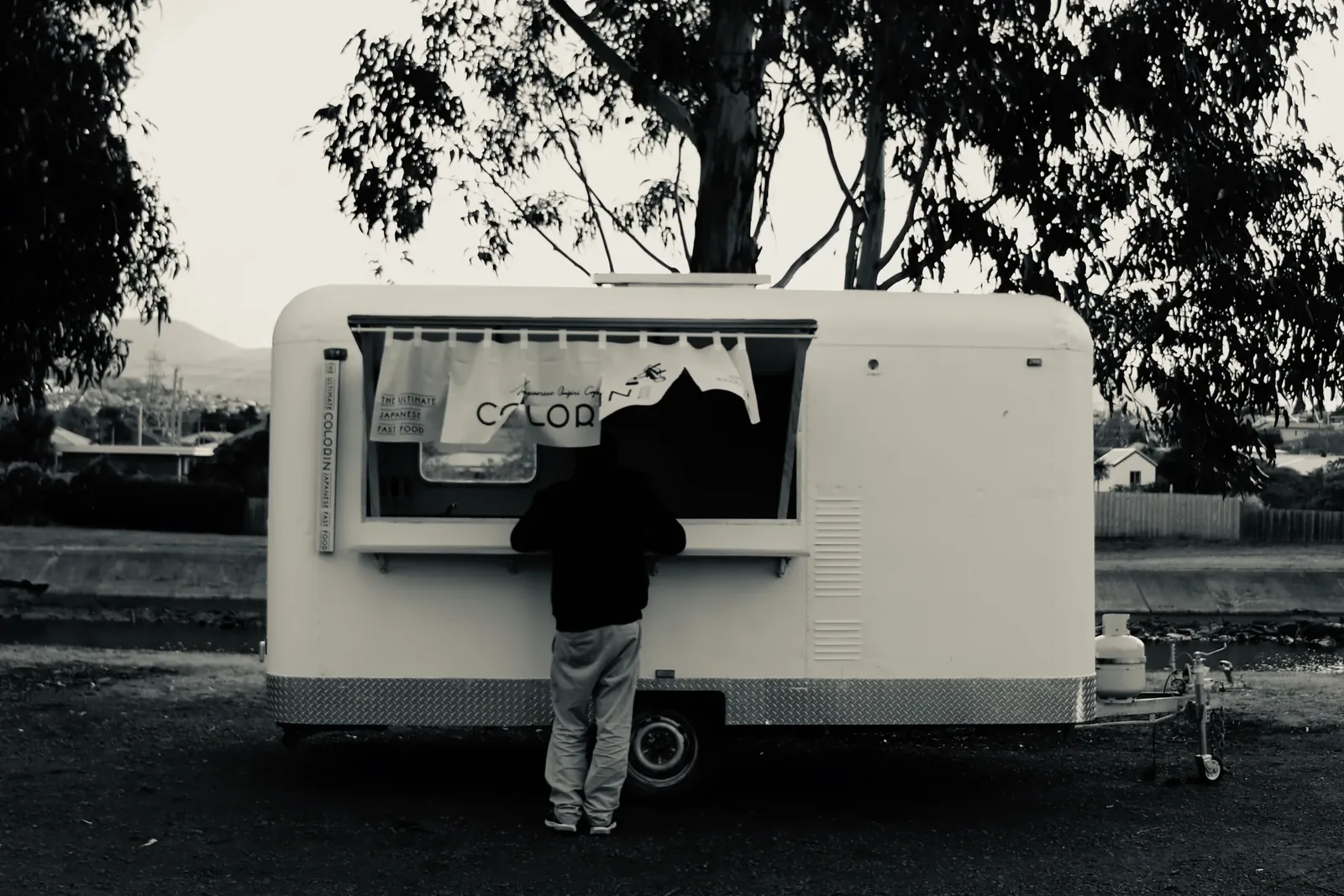
How to start a food truck in 8 steps.
From here on, this is how I would go about it now. Rules differ between states and councils, and they can change, so please always check the latest official information and talk to your local council.
STEP 1 Decide what you will sell, to whom, and where
The first things to decide are your product, your customers and where you will sell. If you look into the markets and events you want to trade at (their dates, the crowd, the stall fees, and what other vendors are there), you will start to see what you might sell and what it will cost you. I skipped this part on a whim, and it made things harder later on.
How Tenth Of October can help
We can start by putting your shop's concept, and the customers you want to reach, into words together.
STEP 2 Choose a name and register your business (ABN, business name, GST)
To run a business in Australia, you first need an ABN (Australian Business Number). If you trade under a name other than your own, you need to register a business name with ASIC (for either 1 or 3 years). You can also apply for an ABN and register a business name at the same time through the Business Registration Service.
For GST (goods and services tax), you need to register once your annual turnover (GST turnover) reaches $75,000 or more, and you must register within 21 days of that happening.
Once you've chosen a name, check that no other business is already using it, and that the domain and Instagram handle are available. That way you won't have to change your name later.
How Tenth Of October can help
We can help you brainstorm name ideas and design your logo. Along with the name, we'll check whether it works as a domain and on social media.
STEP 3 Check the rules for your state and council
Any business that sells food needs to notify or register with its local council. For a food truck, the general rule is to notify the council where the vehicle is normally kept. The finer details, however, differ from state to state.
In Tasmania, for example, a mobile food business that moves between several events applies for "Statewide registration" with its home council. Registration is usually renewed every 12 months, and while it is valid you don't need to notify other councils. However, registration is not a licence to "sell anywhere": you still need permission for each location and approval from event organisers.
In South Australia (SA), every business that sells food lodges a Food Business Notification with its local council. For a mobile business, that's the council where the vehicle is kept. On top of that, to trade in public places such as by the roadside, you need a permit from each council (a Mobile Food Vendor Permit).
My advice
Before you build the truck, I recommend showing your plans or sketches to the council's Environmental Health Officer and asking for their advice. If you're told "this is missing" after it's built, it costs you both time and money.
STEP 4 Build the truck (or trailer)
A food truck has to follow the same food safety rules as a regular shop (Standards 3.2.2 and 3.2.3 of the Food Standards Code). For example: a dedicated handwashing sink (with warm running water, soap and single-use paper towels), drinkable water, a fridge that can keep food at 5°C or below, and equipment that can keep hot food at 60°C or above.
Keep your communication with the builder in writing as much as possible, for example by email, and check the completion date yourself. Waiting because it feels awkward to ask, like I did back then, is the best way to lose time. Gas and electrical fittings may need to meet state safety standards or have certificates, so check with both the builder and the council.
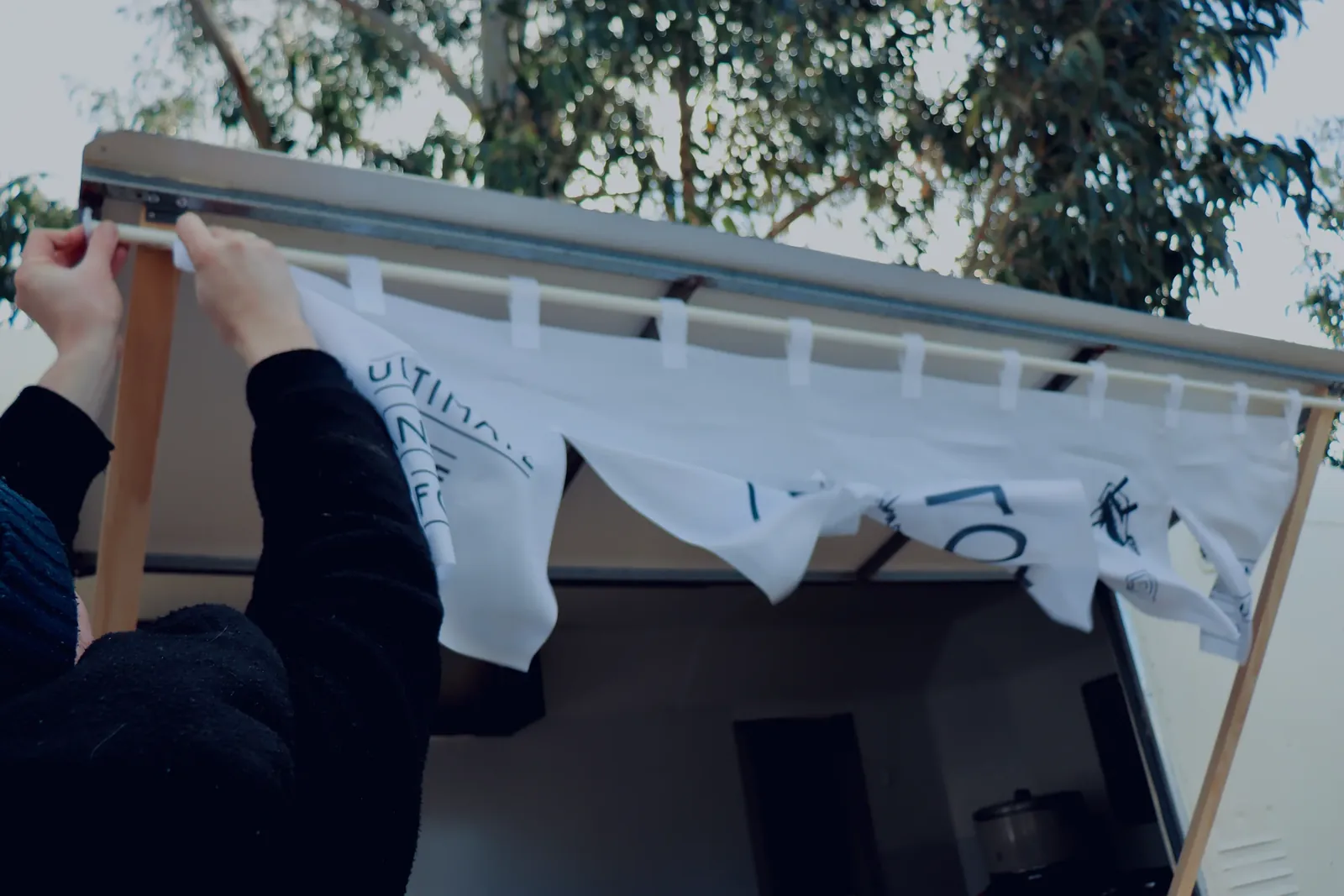
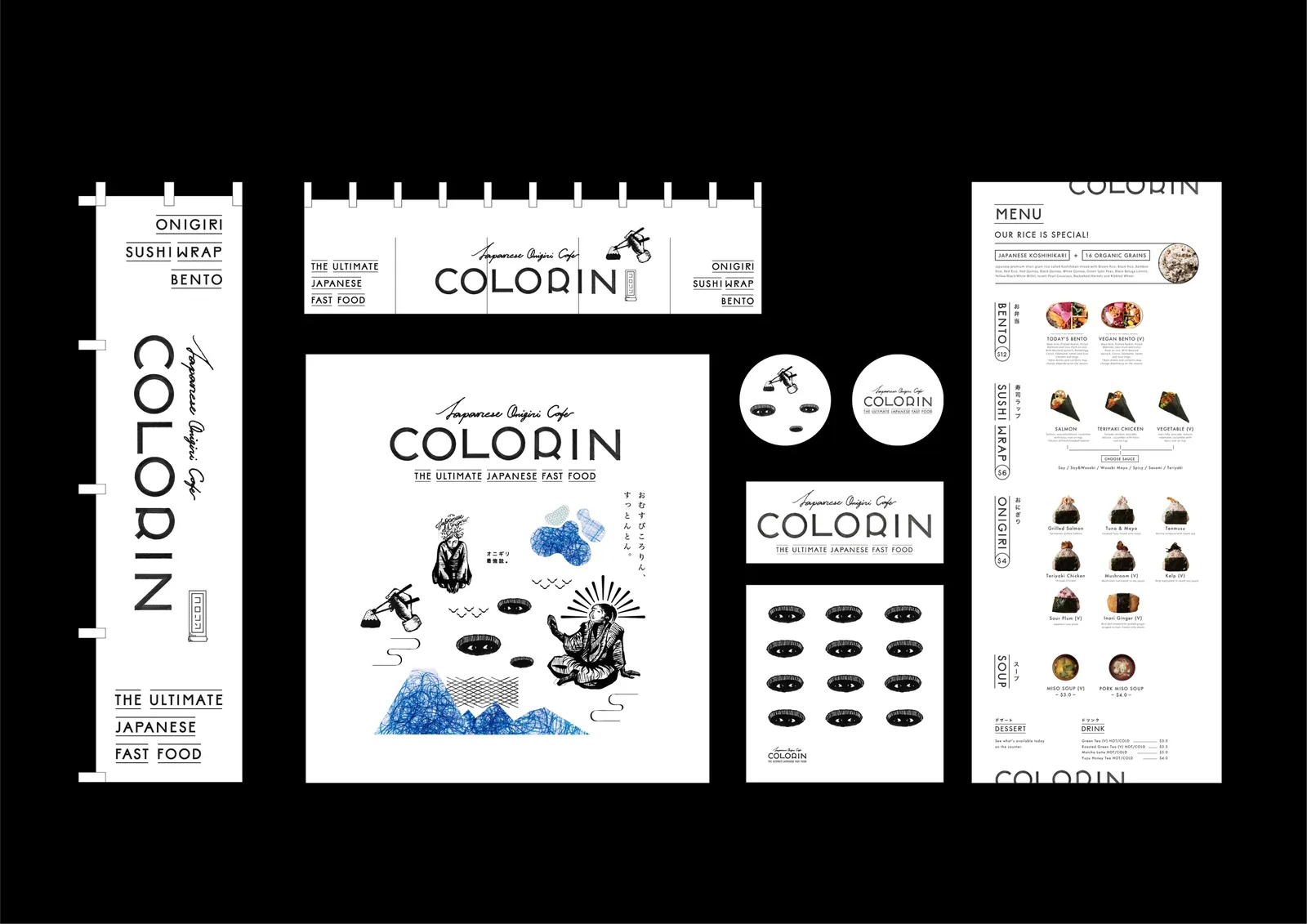
The COLORIN toolkit. Banner flags, noren, signage, menu and even stickers, all designed as one world.
How Tenth Of October can help
We design the truck exterior, signage, noren, menu boards and more, so people can recognise your shop from a distance. We can also prepare the design files to hand to your builder.
STEP 5 Get your food safety qualifications and systems in place
Since December 2023, a new rule called Standard 3.2.2A has applied to food service businesses and others that handle unpackaged, ready-to-eat, potentially hazardous food. If it applies to you, you need things like a Food Safety Supervisor with a certificate obtained within the last 5 years, and food safety training for staff who handle food. Rice dishes like onigiri count as food that needs temperature control, so check with your council whether your business is covered.
STEP 6 Sort out insurance and where you'll trade
Markets, events and council permits will often ask for proof of Public Liability Insurance. For example, one SA council's permit application requires $20 million in cover. The amounts and conditions vary from place to place, so check before you apply.
Contact the places you want to trade at yourself, and check their conditions (fees, trading hours, whether power and water are available, and the documents they need). It's very common not to hear back, so if a week or so goes by, it's perfectly fine to get in touch again.
How Tenth Of October can help
We can create the photos and shop introduction materials to go with your stall applications. Small questions like "I haven't heard back. Should I contact them again?" are welcome too.
STEP 7 Create your menu, packaging and promotional materials
At a market, customers choose where to eat in a few seconds as they walk past. A menu board that shows, even from a distance, what you sell, how much it costs and what to try is essential. Packaged food also has labelling rules (Part 1.2 of the Food Standards Code).
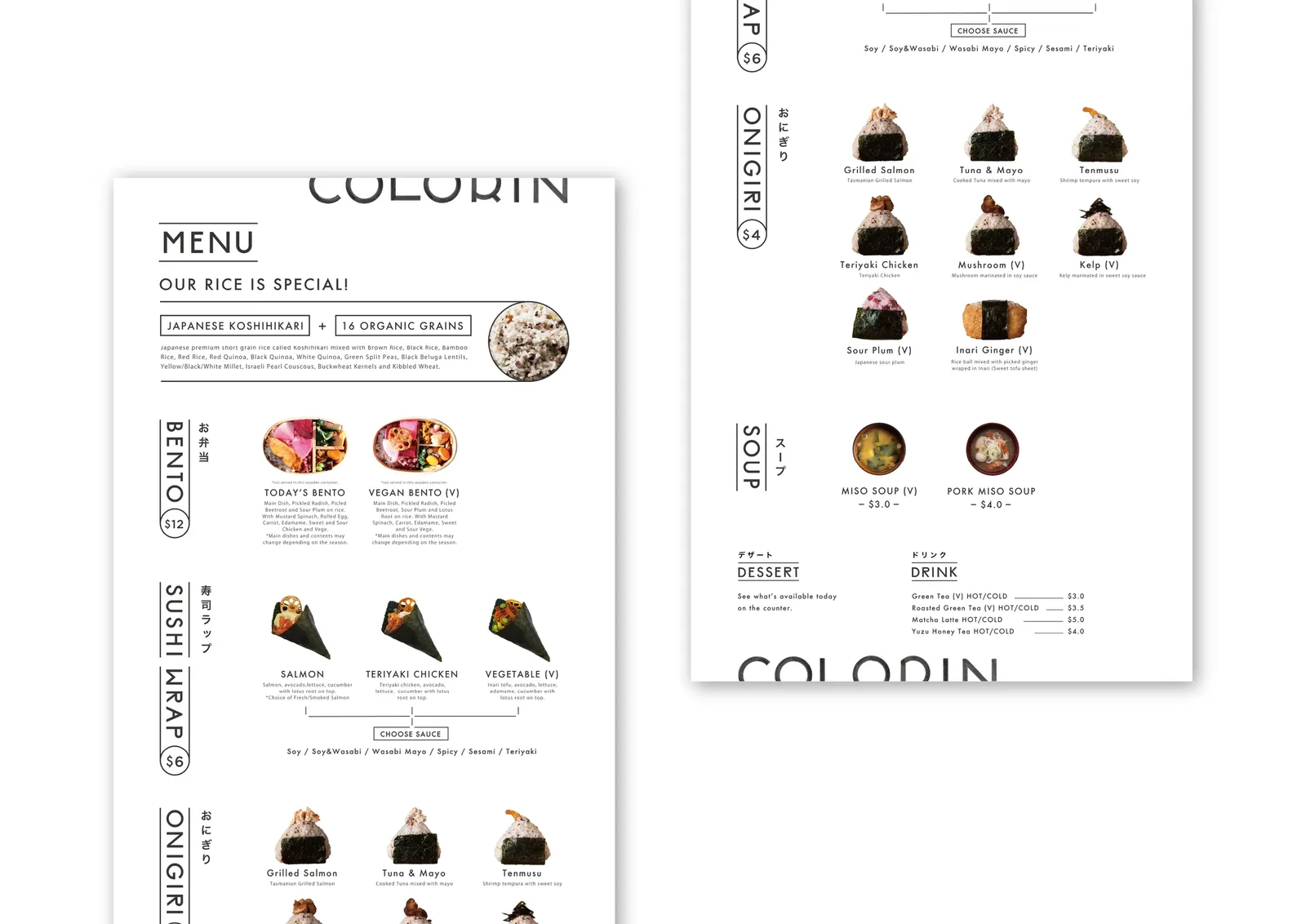
The COLORIN menu. Photos and English descriptions made it easy to choose, even for people who had never had onigiri.
How Tenth Of October can help
We create everything your shop uses, from menus, packaging and labels to stickers and flyers, as one consistent world, and we can help arrange the printing too.
STEP 8 Taste test, improve, and get the word out
Ask friends and neighbours to taste your food, and ask them not just about the flavour but also about the price, the portion size and the wait. If you share your preparations on Instagram before you open, more people will turn up on day one. Letting people know your dates and locations every time is also an important part of the job that comes with running a food truck.
How Tenth Of October can help
We can also create Instagram post templates and a website where you can publish your trading schedule.